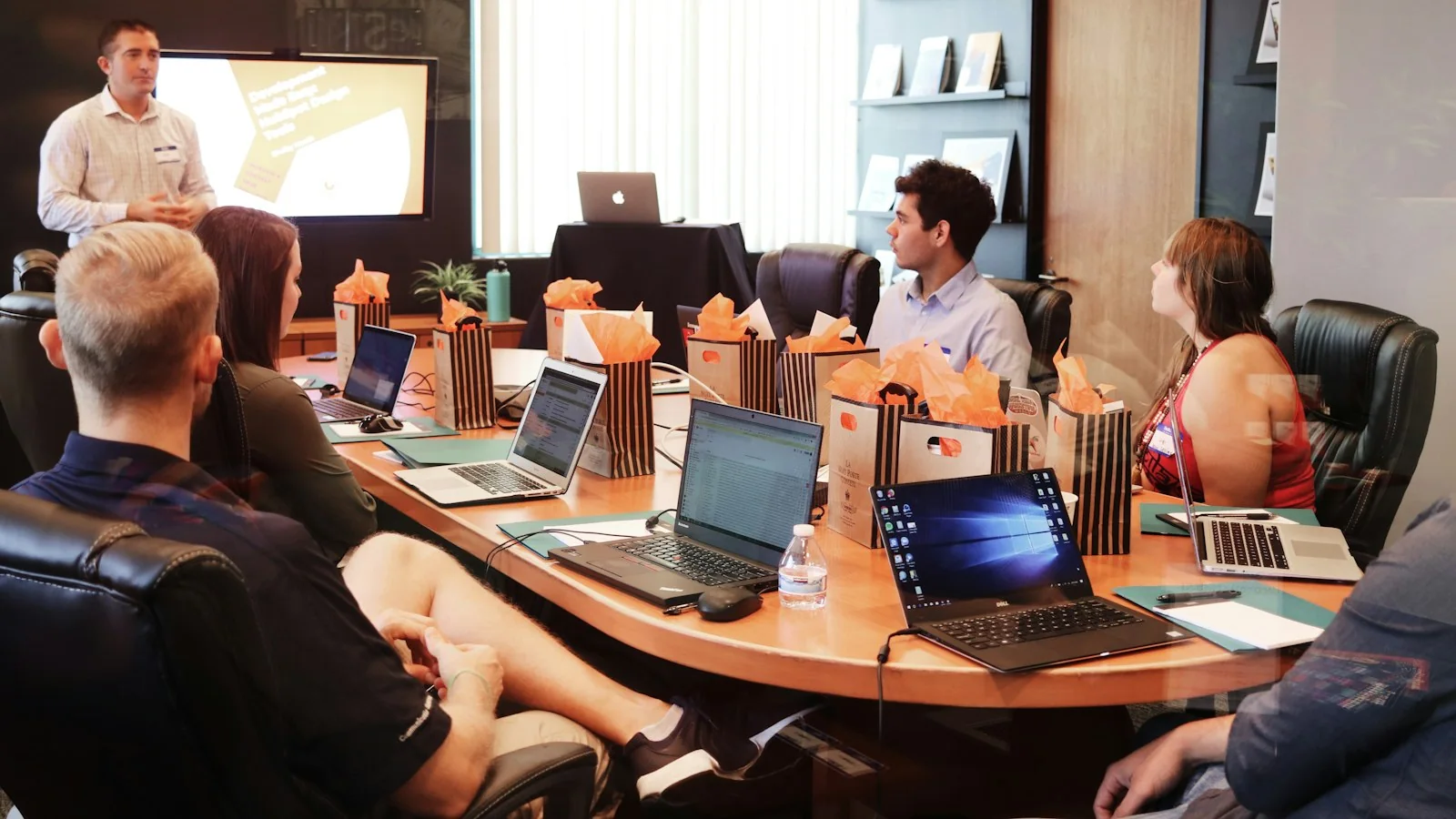
Team workshop with sticky notes on a wall
Home / Brand Strategy & Identity / Brand discovery
Brand Strategy & Identity · Brand discovery

Brand discovery: know what to fix before you design anything

Discovery is the research and alignment phase that turns opinions about your brand into evidence - so positioning and identity decisions are made once, and made right.

Stakeholder interviewsCustomer researchTouchpoint auditCompetitor benchmarking

What brand discovery is for

Most brand projects that go wrong do so in the first few weeks, not the last. A team jumps to logo concepts before agreeing what the brand must communicate, and then spends months in feedback rounds where every opinion is equally valid because nothing has been written down to judge against.

Brand discovery is the step that prevents this. It is a short, structured research phase that answers four questions with evidence rather than instinct:

  1. What do your buyers actually need to believe about you before they will shortlist you?
  2. What does your current brand communicate - across every touchpoint, not just the homepage?
  3. How do you compare with the alternatives buyers consider, including doing nothing?
  4. What does leadership agree the brand must achieve in the next few years?

The output is not a thick report. It is a short set of findings and a brief that every later decision - positioning, identity, messaging - can be tested against.
Is this you?

Signs you need discovery first

01

Leadership can't agree on the brief

Different executives describe the company, its customers and its strengths in different ways.

02

The business has outgrown its brand

You have moved upmarket, added services or entered new regions, and the brand still describes the old company.

03

Sales avoids the website

Your team sends PDFs and personal decks instead of pointing prospects to the site.

04

Every redesign stalls in feedback

Previous attempts produced concepts that were debated, not decided.

05

You're not sure what to keep

There is equity in the current name, colours or symbol, but nobody knows how much.

06

Buyers are surprised when they meet you

Prospects say you are bigger, more capable or more established than they expected.

What discovery covers

Discovery combines four streams of evidence. Each one covers a blind spot of the others.

StreamWhat it involvesWhat it reveals
Stakeholder interviewsStructured conversations with leadership, sales, marketing, product and operationsAmbitions, disagreements and the claims the company believes it can make
Customer and buyer researchShort interviews with recent customers, lost prospects and, where possible, people who evaluated youWhat buyers value, the words they use, and what nearly stopped them
Touchpoint auditEvery place the brand appears: website, product, proposals, decks, documents, social, signageInconsistencies, outdated material and where the brand is actually seen
Competitive and category benchmarkingDirect competitors, category leaders and adjacent industriesWhere the category is crowded, where you can stand apart, and the conventions buyers expect

The benchmarking uses the same three tracks I use in UX work: direct competitors, category leaders, and adjacent industries whose patterns match how your buyers think. The third track is the one teams skip most often, and it is frequently where the most distinctive ideas come from.

The process

How I run discovery

  1. 01

    Kick-off and planning

    Agree the questions discovery must answer, who to interview and which materials to gather.

  2. 02

    Interviews

    Leadership and internal teams first, then customers and buyers. Typically 30-45 minutes each, recorded with permission.

  3. 03

    Touchpoint audit

    Collect and review every live brand application, from the website to email signatures.

  4. 04

    Benchmarking

    Review competitors and category leaders against the same criteria.

  5. 05

    Synthesis workshop

    Share themes and tensions with leadership and agree priorities.

  6. 06

    Discovery brief

    A concise document: findings, what to keep, what to change, and the criteria for positioning and identity.

The questions that matter most in interviews

Good interviews are less about asking customers what they think of your logo and more about understanding their decision.

  • "What were you trying to solve when you started looking?"
  • "Who else did you consider, and why were they on the list?"
  • "What almost stopped you choosing us?"
  • "How would you describe what we do to a colleague?"
  • "What would you miss if we stopped working together?"

The language customers use in these answers often becomes the raw material for positioning and messaging. It is almost always plainer and more persuasive than internal marketing language.

What you get

01

Discovery brief

Findings, priorities and the criteria for positioning and identity decisions, agreed with leadership.

02

Touchpoint audit

A visual inventory of where the brand appears today, with inconsistencies flagged.

03

Competitive landscape

How competitors and category leaders position and present themselves, and where the gaps are.

04

Customer insight summary

What buyers value, their language and their hesitations, with anonymised quotes.

05

Equity assessment

What to keep, what to evolve and what to retire in the current brand.

06

Recommended scope

Whether you need a system, a refresh, repositioning or a full rebrand.

Why discovery pays for itself

Discovery can feel like a delay when a team wants to see visual work. In practice it shortens projects. When positioning and identity are judged against an agreed brief, feedback rounds become about fit, not taste. And it prevents the most expensive mistake in brand work: designing a beautiful answer to the wrong question.

It also protects equity. Many established companies have recognisable elements - a colour, a symbol, a name - that customers associate with reliability. Discovery tells you whether to keep them before anyone suggests replacing them.

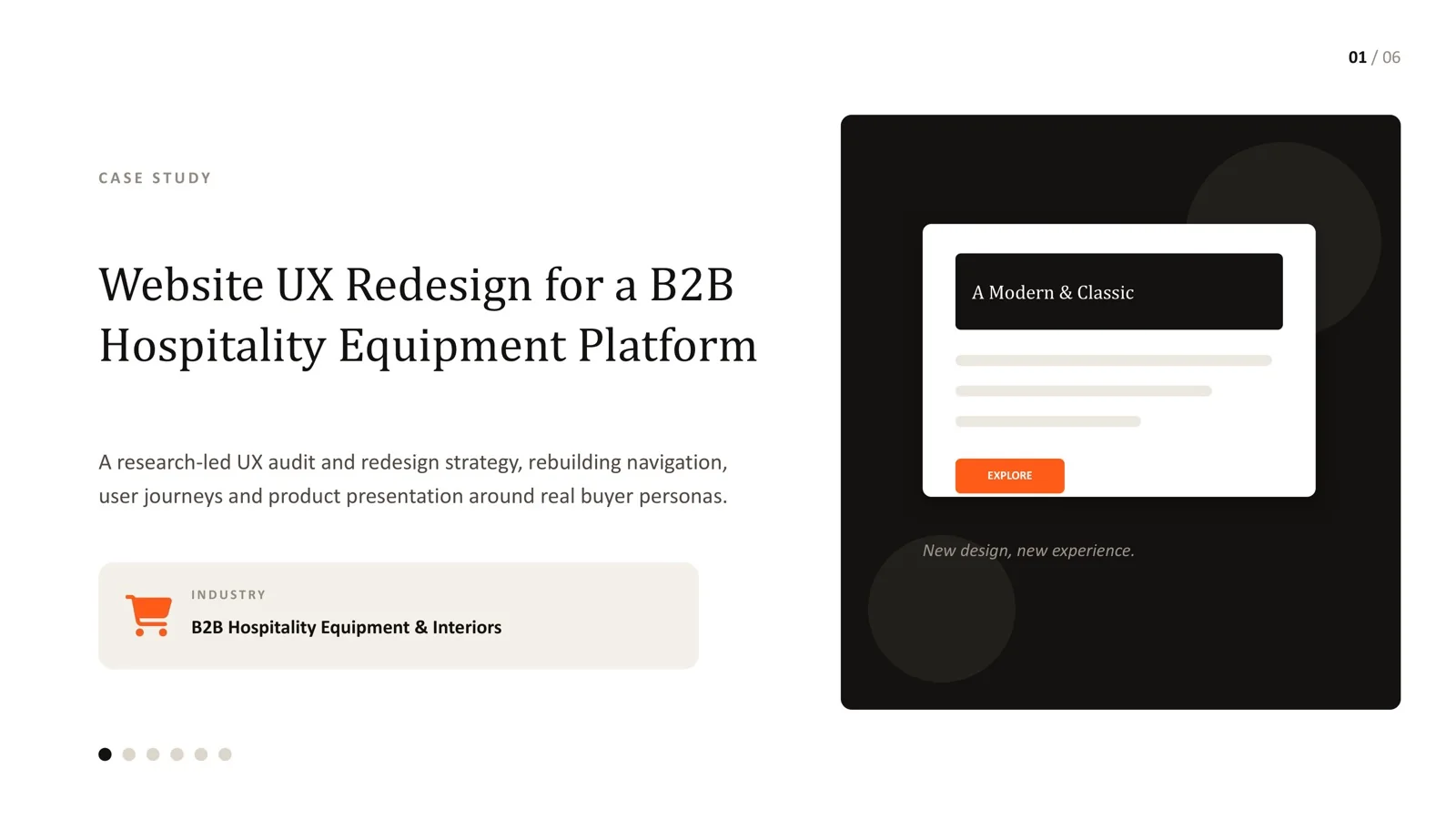
B2B hospitality equipment platform redesign overview
From the work

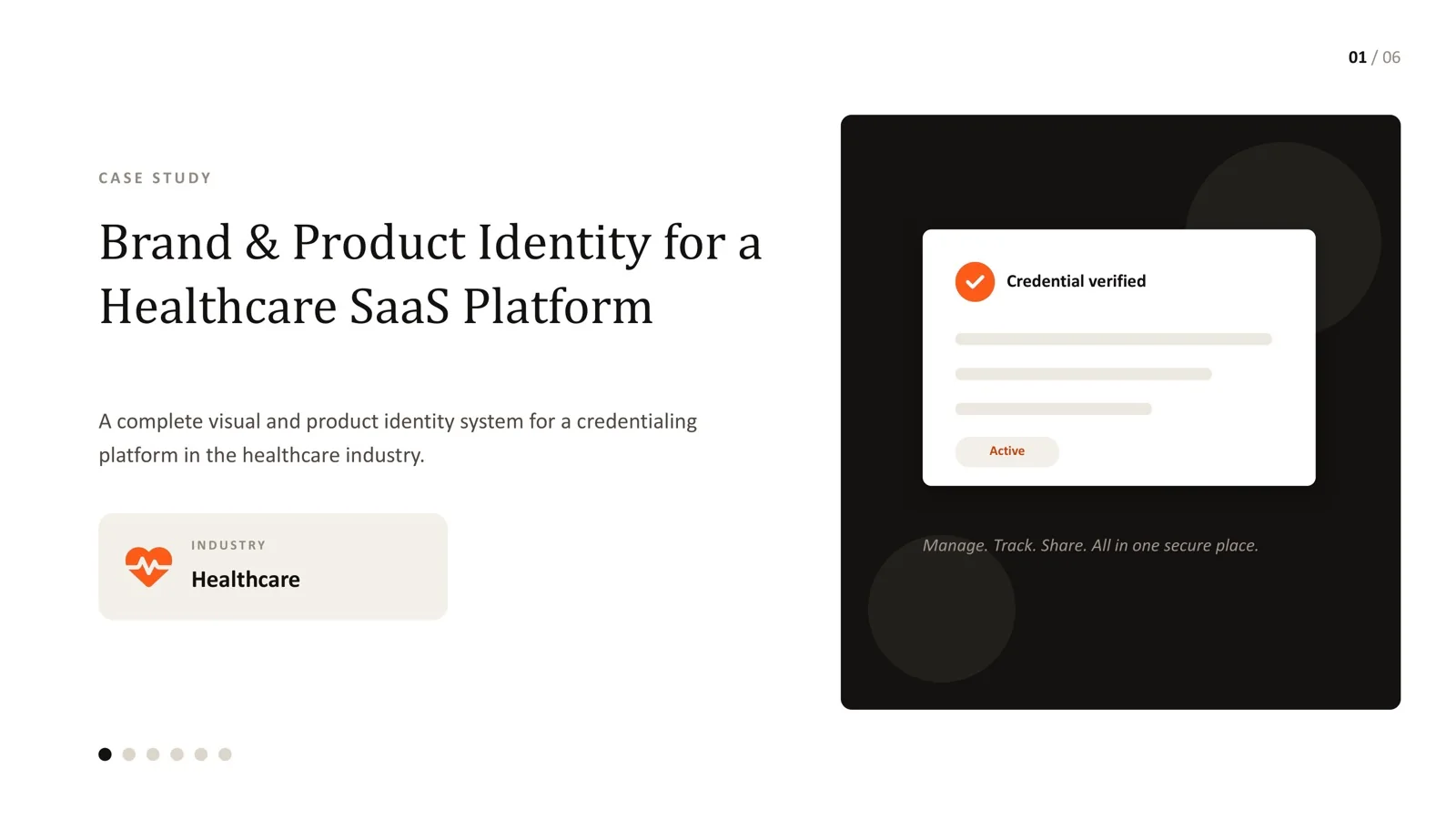
Research before redesign on a B2B hospitality platform

On a B2B hospitality equipment platform, research across three tracks - direct competitors, category leaders and adjacent industries - came before any design decision.

  • It showed the site was serving three very different buyers with one journey.
  • It found the real problems were structural, not cosmetic: a boxed layout using only 60% of the screen and no e-commerce foundation.
  • It shaped both the brand direction and the UX rebuild, so the redesign fixed what was actually broken.
Read the B2B hospitality case study →

Frequently asked questions

How long does brand discovery take?

For most B2B and SaaS companies, a few weeks, depending on how quickly interviews can be scheduled. Customer interviews usually set the pace.

How many customers should we interview?

Enough to see patterns - often six to ten across recent wins, long-standing customers and, if possible, prospects who chose someone else.

Can discovery be done remotely?

Yes. Interviews work well by video, and the synthesis workshop can be remote or in person in Pune or Mumbai.

What if discovery shows we don't need a new identity?

That is a useful outcome. Many companies find that clearer positioning and a governed system deliver most of the value, at lower cost and risk.

Is discovery useful if we already have a brand strategy?

Yes, if the strategy is more than a year or two old or the business has changed. Discovery can validate what still holds and update what doesn't.

Let's solve something

Not sure what your brand actually needs?

Discovery answers that question before you commit to a direction. Book a 30-minute call to talk through your situation.

Book a 30-min call ↗