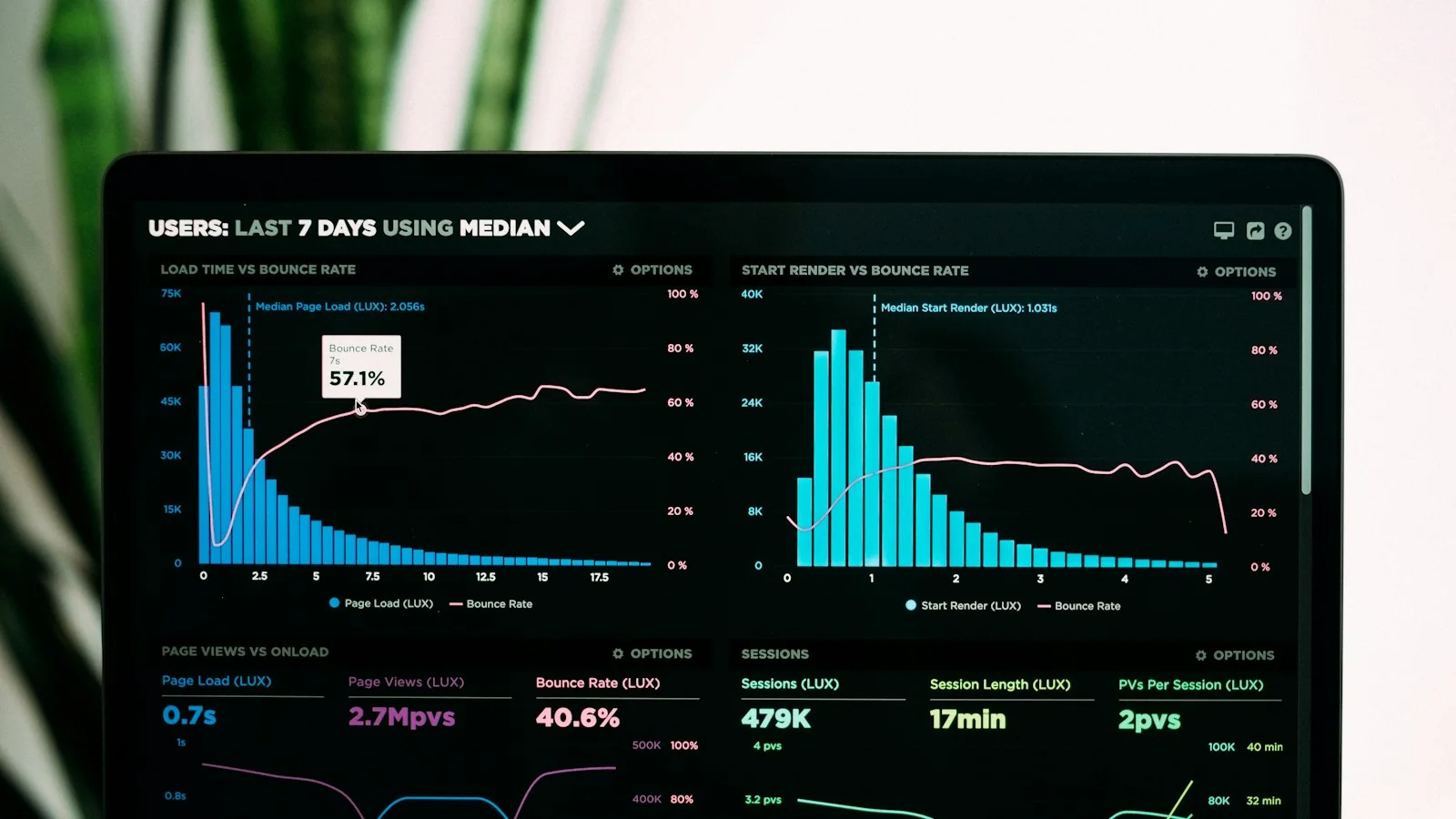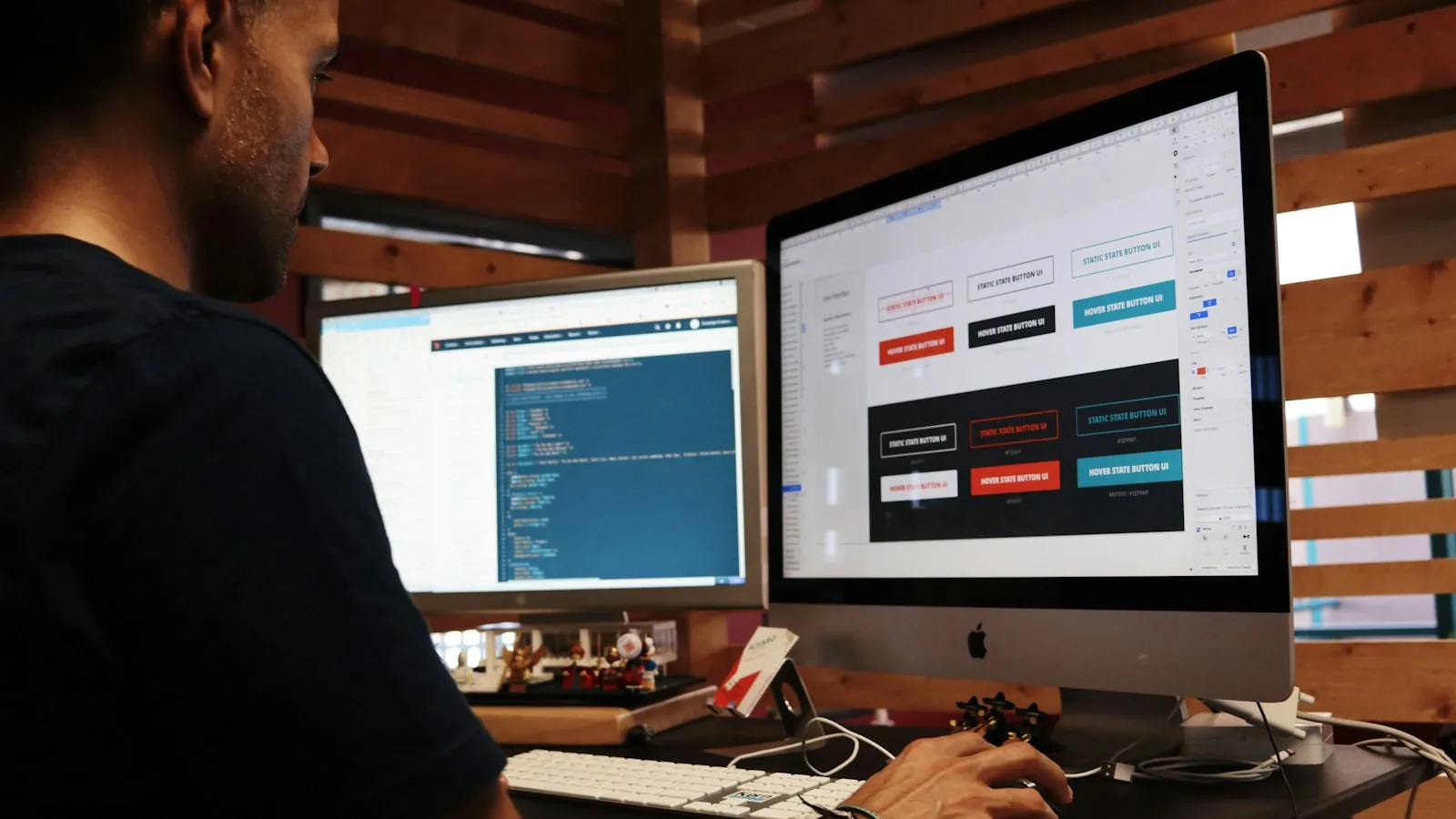
Designer working on user interface screens at a large monitor
Home / UX/UI & Product Design
Services · UX/UI & Product Design

Product design that makes complex software feel obvious

I design SaaS, healthcare, AI and B2B products end to end - from how information is organised to the last error message - so people can get real work done without needing training.

Information architectureUser flowsWireframes & prototypingInterface designEnd-to-end experiences

What product design covers - and what it's for

Good product design is mostly invisible. Users find what they need, understand what state things are in, complete tasks without second-guessing, and recover easily when something goes wrong. When it works, nobody comments on the design; they just get on with their jobs.

That outcome comes from decisions made at several levels, and I work across all of them:

  • Structure - how information and features are organised, named and found.
  • Flow - the steps people take to complete tasks, and what happens at each one.
  • Interface - the screens, components, states and words people interact with.
  • System - the patterns that keep all of it consistent as the product grows.

Most of my work is on complex, data-heavy software: enterprise SaaS platforms, healthcare credentialing and operations tools, AI products, and B2B platforms with large catalogs and several types of buyer. These are products where the problem is rarely a lack of features - it is too much information, too many steps, or too little clarity about what happens next.
What's included

The five parts of the work

Each can be engaged separately, but most projects move through several of them in order.

01

Information architecture

Sitemaps, navigation models and content structure built around how users think, validated before design. Explore information architecture.

02

User flows

Step-by-step journeys for key tasks, including edge cases, errors and handoffs between roles. Explore user flows.

03

Wireframes & prototyping

Low- to high-fidelity prototypes to test ideas with real users before engineering commits. Explore wireframes & prototyping.

04

Interface design

Production-ready screens, components and states that are consistent, accessible and on-brand. Explore interface design.

05

End-to-end product experiences

Connected journeys across web, mobile, portals and internal tools, designed as one system. Explore end-to-end experiences.

06

Design system foundations

Components and patterns that keep new features consistent. See design systems & accessibility.

Why usability is a business problem

Poor usability is expensive in ways that rarely show up as a single line item. In healthcare, a national study found physicians gave electronic health records a mean usability score of 45.9 out of 100 - an "F" grade - and lower scores were strongly linked with burnout. In software generally, Pendo's analysis of product usage found that 80% of features in the average product are rarely or never used: effort spent building things users cannot find or do not need. And in B2B buying, where 86% of purchases stall at some point, a confusing product in a trial or pilot gives the buying group one more reason to pause.

45.9mean usability score physicians gave EHRs - an "F"Melnick et al., Mayo Clinic Proceedings
80%of features in the average software product are rarely or never usedPendo, 2019
85%of usability problems found by testing with five usersNielsen Norman Group

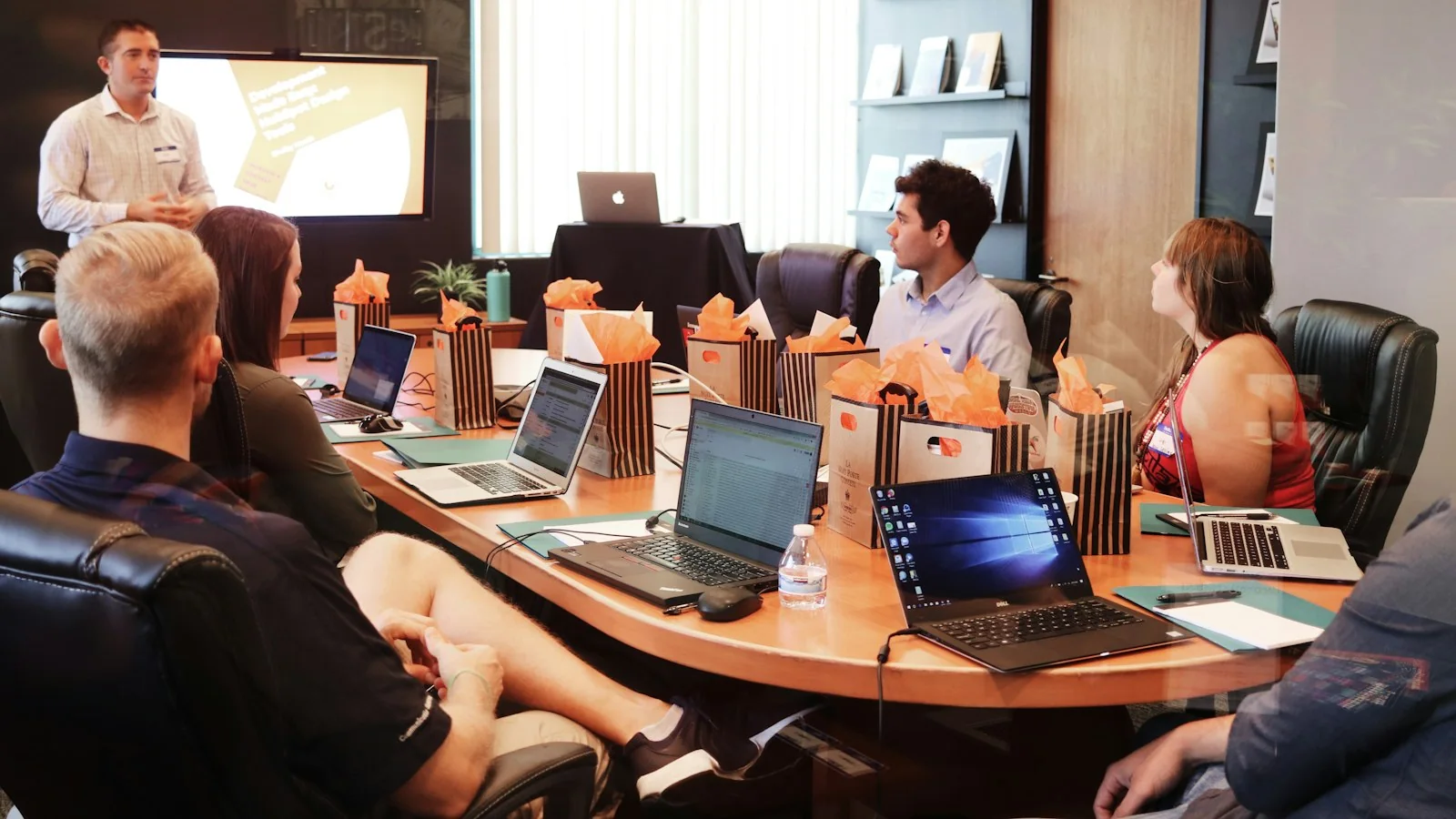
The good news is that many of these problems are found cheaply. Jakob Nielsen's analysis showed that testing with five users uncovers about 85% of usability problems in a design, which is why small, repeated rounds of testing are built into how I work.

The process

How a product design engagement runs

Adapted from the same seven moves I use on every project.

  1. 01

    Listen and align

    Understand the business goals, users, constraints and technical realities with product and engineering.

  2. 02

    Define the problem

    Separate symptoms from root causes using analytics, support data and user conversations.

  3. 03

    Structure

    Information architecture and key user flows, agreed before screens.

  4. 04

    Prototype and test

    Wireframes and prototypes tested with real users in small, fast rounds.

  5. 05

    Design the interface

    High-fidelity screens, components and every state, built on a consistent system.

  6. 06

    Hand off and support build

    Detailed specifications, reviews during implementation and quick answers for engineers.

  7. 07

    Refine

    Measure against the original goals and iterate.

Principles I design by

PrincipleWhat it means in practice
Structure before styleMost "make it cleaner" requests are information architecture problems; fix those first
Design every stateEmpty, loading, error, partial and success states are designed, not left to engineering
Consistency is a featureThe same action looks and behaves the same everywhere, across products and platforms
Accessibility by defaultContrast, keyboard access and clear errors built into components from the start
Evidence over opinionDecisions tested with users or backed by data, not settled by the loudest voice
Design for the real contextBusy clinicians, site engineers, procurement reviewers - not idealised users
Industries

Where I do this work

01

Healthcare SaaS

Credentialing, clinical operations and portal workflows where status clarity and accessibility matter. See the healthcare case study.

02

AI and enterprise software

Data-heavy interfaces where progressive disclosure and trust signals decide adoption. See the AI case study.

03

B2B trade and hospitality

Large catalogs and several buyer types needing different routes. See the B2B hospitality redesign.

04

Infrastructure and industrial

Enterprise applications where predictability beats novelty. See the infrastructure work.

Persona-led redesign of a B2B hospitality equipment platform
From the work

A persona-led redesign for a B2B hospitality equipment platform

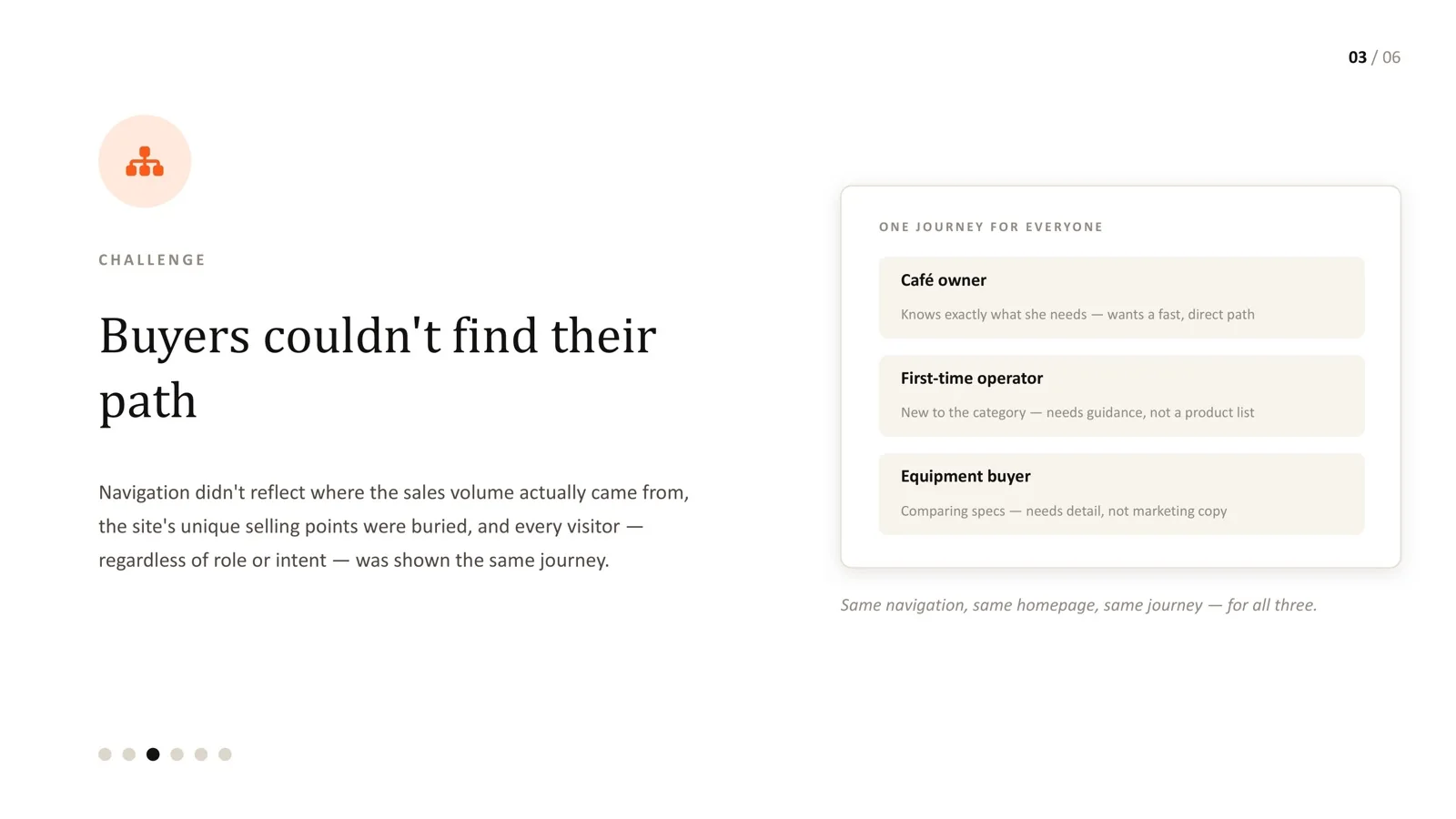
The old site showed every visitor the same journey. Research identified three distinct buyers - a decisive café owner, a first-time operator and a spec-comparing equipment buyer - each underserved by one generic path.

  • A flat sitemap with a mega-menu put every page within two clicks of home.
  • Distinct flows gave each buyer speed, guidance or detail as they needed.
  • Detail-first product templates replaced thin marketing copy.
Read the B2B hospitality case study →

Frequently asked questions

Do you work with our existing product and engineering teams?

Yes - that is the usual setup. I work alongside product managers and engineers, join the rituals that matter (planning, reviews) and hand off in the tools your team already uses.

Can you work on an existing product rather than a new one?

Most of my work is on existing products. I usually start with an audit of the current experience and a short list of the highest-impact improvements.

Which design tools do you use?

Primarily Figma, alongside Adobe Creative Suite, Framer and AI tools where they help. Delivery typically runs through Jira, Azure DevOps or Aha.

How do you test designs with users?

Small, frequent rounds - moderated sessions with five or so participants per round, focused on real tasks. Remote testing works well for most B2B and SaaS products.

Do you design for mobile as well as web?

Yes. I design responsive web and native-style mobile flows, deciding which tasks belong on mobile based on how people actually work.

Sources

Every statistic in this page links to its original publisher. Figures were checked against these sources on September 29, 2026.

  1. Doctors give electronic health records an 'F' - ScienceDaily, reporting Melnick et al., Mayo Clinic Proceedings
  2. The 2019 Feature Adoption Report - Pendo, 2019
  3. The State Of Business Buying, 2024 - Forrester, 2024
  4. Why You Only Need to Test with 5 Users - Jakob Nielsen, Nielsen Norman Group, 2000
Let's solve something

Product getting harder to use as it grows?

Book a 30-minute intro call or send a message. Tell me what users are struggling with and I'll tell you where I'd start.

Book a 30-min call ↗